

What is the 40mg Tirzepatide Pen?
The 40mg Tirzepatide Pen is a pre-filled, self-injectable research device designed to administer tirzepatide — a dual glucose-dependent insulinotropic polypeptide (GIP) and glucagon-like peptide-1 (GLP-1) receptor agonist. Developed by Eli Lilly and Company, tirzepatide has garnered significant attention for its unique mechanism of action and its ability to address multiple aspects of metabolic health simultaneously.
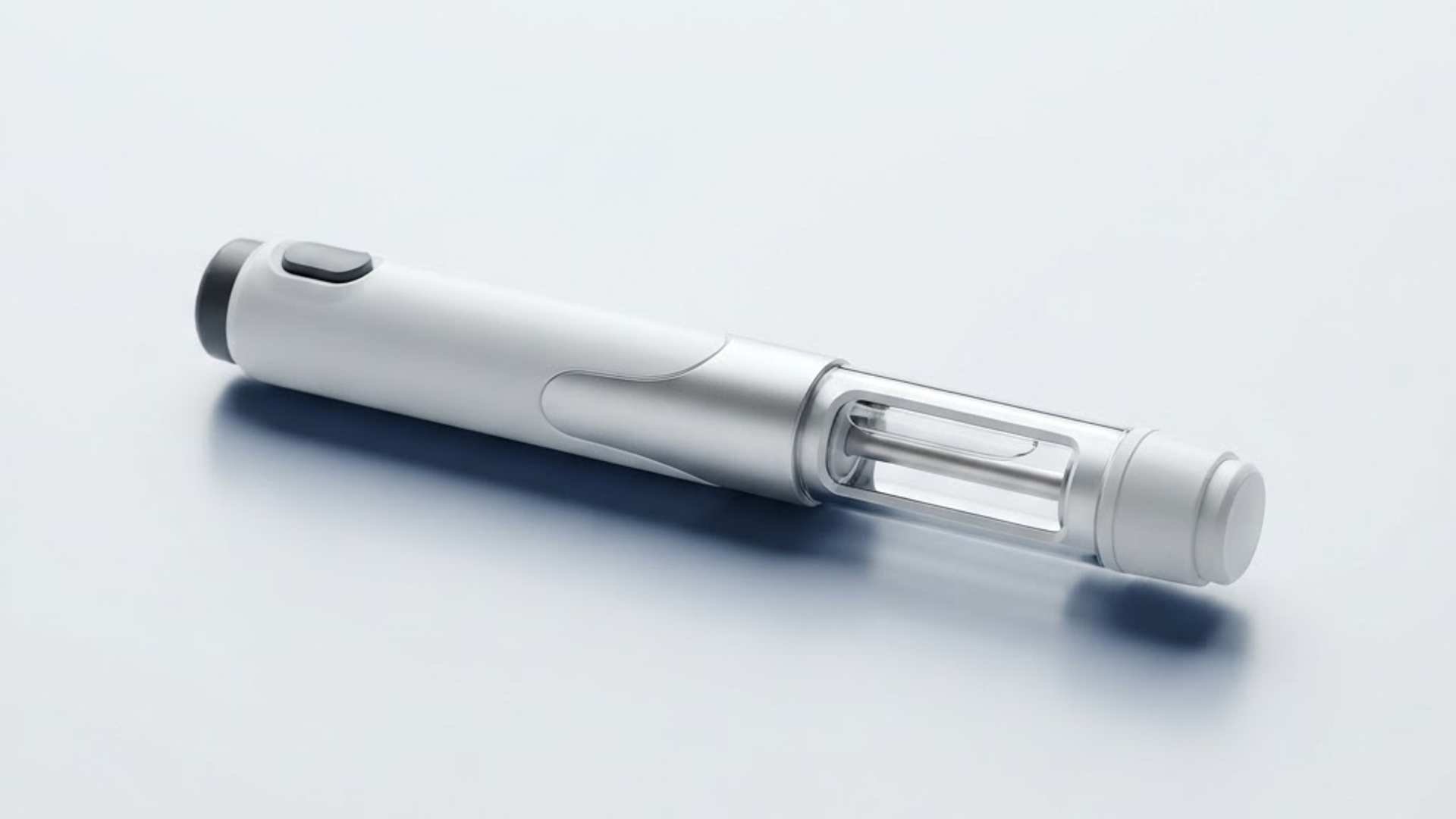
The pen features a simple, intuitive interface with a pre-measured 40mg dose, ensuring consistency and reducing the risk of dosing errors. This combination of advanced compound and practical delivery system makes the 40mg Tirzepatide Pen a powerful research tool in the study of metabolic disorders.
Synedica Tirzepatide 40mg Injection Pen Kit
Dual GIP/GLP-1 receptor agonist — high purity, verified CoA. For research use only.
How Tirzepatide Works: Dual Receptor Mechanism
Tirzepatide's mechanism of action is unique and multifaceted. As a dual GIP and GLP-1 receptor agonist, it targets two key incretin hormones that play a crucial role in glucose metabolism and energy balance. Incretins are hormones released by the gut in response to food intake, helping regulate insulin secretion and blood glucose levels.

- —GLP-1 agonism: Enhances insulin secretion in a glucose-dependent manner, reducing hypoglycemia risk. Slows gastric emptying to control postprandial glucose spikes and promotes satiety.
- —GIP agonism: Complements GLP-1 by further enhancing insulin secretion and promoting fat metabolism.
- —Synergistic dual action: Activating both receptors provides superior glucose control and weight reduction compared to targeting either pathway alone.
Dual
GIP + GLP-1 receptor agonism — a novel mechanism that targets two incretin pathways simultaneously for enhanced metabolic outcomes
Key Benefits in Metabolic Research
Clinical research has demonstrated that tirzepatide delivers significant improvements across multiple metabolic parameters. The compound addresses both glycemic control and body composition simultaneously — a dual benefit that is particularly valuable in the study of type 2 diabetes and obesity-related conditions.

- —Glycemic control: Significant reductions in HbA1c levels, a key marker of long-term blood glucose regulation.
- —Weight reduction: Dual GIP/GLP-1 action reduces appetite and increases satiety, producing substantial weight loss in research populations.
- —Cardiovascular markers: Improvements in LDL cholesterol, triglycerides and systolic blood pressure observed in SURMOUNT program data.
- —Convenience: Once-weekly administration simplifies research protocols and improves adherence consistency.
Clinical Trial Data: SURMOUNT Program
The SURMOUNT clinical research program has provided extensive data on tirzepatide efficacy. Across multiple Phase 3 trials, the compound consistently demonstrated superiority over single-receptor GLP-1 agonists in both weight reduction and glycemic outcomes.

22.5%
mean body weight reduction at 15mg dose in SURMOUNT-1 — compared to 2.4% in the placebo group (Jastreboff et al., 2022)
15.7%
mean weight reduction in participants with type 2 diabetes at 15mg — SURMOUNT-2, demonstrating efficacy in a historically challenging population
Dosage and Administration
The 40mg Tirzepatide Pen is designed for subcutaneous injection, typically administered once weekly. The pre-filled pen contains a fixed 40mg dose, ensuring consistent and accurate delivery. Common injection sites include the abdomen, thigh and upper arm, with site rotation recommended to minimise localised reactions.
- —Route: Subcutaneous injection — abdomen, thigh or upper arm
- —Frequency: Once weekly, same day each week
- —Storage: Refrigerate (2–8°C); can be kept at room temperature for short periods before use
- —Missed dose: Administer as soon as possible unless within 3 days of next scheduled dose — skip and resume regular schedule
Safety Profile and Considerations
Like all research compounds, tirzepatide carries a defined safety profile that researchers should be aware of. The most commonly reported events in clinical trials are gastrointestinal in nature and tend to be mild-to-moderate and transient.
- —Common: Nausea, vomiting, diarrhoea and constipation — typically decrease as the body adjusts
- —Injection-site: Mild redness, swelling or itching — minimised by proper site rotation
- —Monitor: Potential for pancreatitis (severe abdominal pain) — seek medical attention if symptoms occur
- —Contraindicated: Personal or family history of medullary thyroid carcinoma or MEN 2 syndrome
Tirzepatide vs. Other GLP-1 Compounds
When compared to established GLP-1 monotherapy compounds such as semaglutide, tirzepatide has demonstrated superior outcomes in head-to-head research analyses. The dual GIP/GLP-1 mechanism provides a more comprehensive approach to metabolic regulation, translating to greater reductions in both body weight and HbA1c across studied populations.
- —Greater weight reduction vs semaglutide in comparative analysis data
- —Once-weekly dosing matches semaglutide convenience while adding GIP pathway benefits
- —Superior HbA1c reduction in type 2 diabetes populations
- —Emerging data on cardiovascular and renal benefits via the SURPASS-CVOT programme
Research Outlook
Tirzepatide represents a significant advancement in metabolic research compound development. Ongoing investigations are exploring its application in populations with cardiovascular disease, chronic kidney disease and metabolic-associated fatty liver disease (MASLD). Future research may see tirzepatide used in combination protocols that leverage its unique dual-receptor profile alongside lifestyle interventions to further optimise outcomes.
"The dual GIP and GLP-1 receptor agonism of tirzepatide provides a distinct mechanistic rationale for superior metabolic outcomes compared to incretin monotherapy — establishing a new benchmark for multi-receptor targeting strategies."